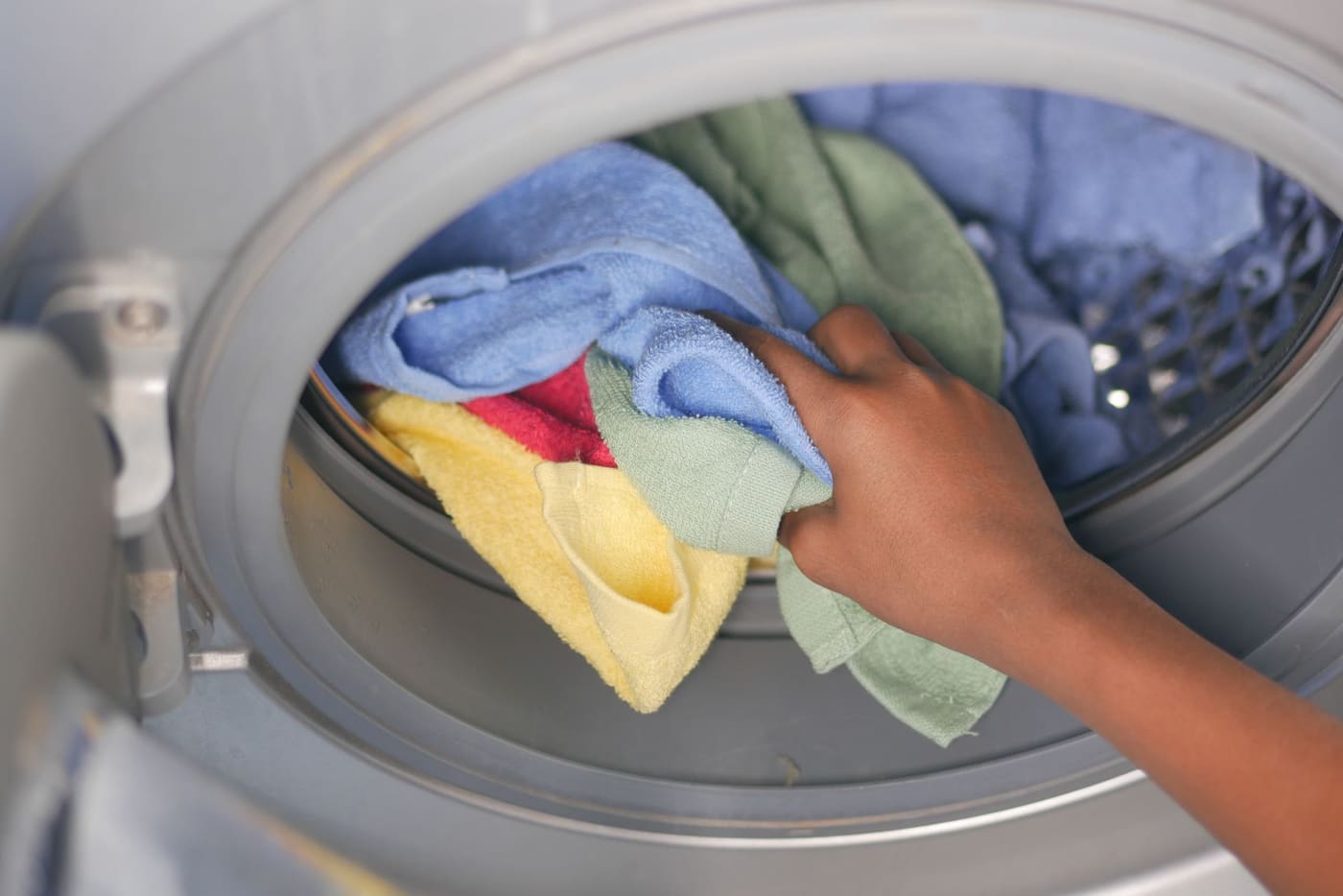
To make clothes last longer in the wash, wash less often, use cold or warm water, turn garments inside out, close zippers and hooks, keep loads at about two-thirds full, use the right amount of detergent, and skip the highest heat in the dryer. Wear in laundry comes from three sources: friction, heat, and chemicals. Reduce all three and the same shirt can look good for years longer.
Most of these changes cost nothing. A few cost a few dollars for mesh bags or a drying rack. The sections below explain what is actually happening to the fabric and give you a routine that works for most households.
Where extra wear comes from
Every wash cycle does three things to fabric.
- Friction. Clothes rub against the drum, against each other, and against zippers and buttons. This is what creates pilling, thinning at the knees and elbows, and fuzzy seams.
- Heat. Hot water and hot dryer air shrink natural fibers, break down elastic, and fade dyes. Spandex and elastane in particular lose stretch when exposed to high heat repeatedly.
- Chemistry. Strong detergents, chlorine bleach, and optical brighteners can weaken fibers and shift colors over many washes.
Lint in the trap is a visible sign of this. It is made of tiny fibers shed from your clothes, so a trap that fills quickly every load tells you the fabric is being worn down.
Wash less often
The easiest way to reduce wear is to cut the number of cycles. Not everything is dirty after one wear.
| Item | Typical wear between washes |
|---|---|
| Underwear, socks, workout clothes | After every wear |
| T-shirts, tank tops, base layers | After every wear, or after a day of heavy sweating |
| Jeans | Commonly 4 to 5 wears if not visibly dirty or smelly |
| Sweaters and knits | A few wears, up to about 6 if worn over an undershirt |
| Pants, skirts, blazers | After a few wears, or when marked or smelly |
| Bath towels | Every 3 to 5 uses if hung to dry fully (the American Cleaning Institute’s range) |
| Bed sheets | About weekly |
These are rules of thumb, not strict limits. Airing out a garment on a hanger for a day, spot-cleaning a small mark, or brushing off dried mud lets you skip a cycle. A garment that smells fine and looks clean usually is fine. If you are unsure, the care label is your guide.
Pick the right temperature
Cold water (around 80F / 27C or below) is gentler on dyes and fibers, and most modern detergents are formulated to work in it. Use it as the default for dark colors, bright colors, and everything delicate.
Warm water (roughly 90 to 110F, or 32 to 43C) suits moderately soiled everyday clothes and cottons that need a bit more cleaning power.
Hot water (around 130F / 54C or above) is for items where sanitizing matters: bed linens, towels, cloth diapers, and anything used when someone is ill. For sick-room laundry, CDC guidance is to use the warmest water setting the fabric allows and dry completely. Check the label first, since cotton blends can shrink in hot water.
Cold washing also saves money. The U.S. Department of Energy says about 90 percent of the energy a washer uses goes to heating the water, and that switching from hot to warm can roughly halve a load’s energy use. The Department also notes that cold water is fine for most loads unless you are dealing with oily stains.
Use the right cycle and load size
Do not overload or underload
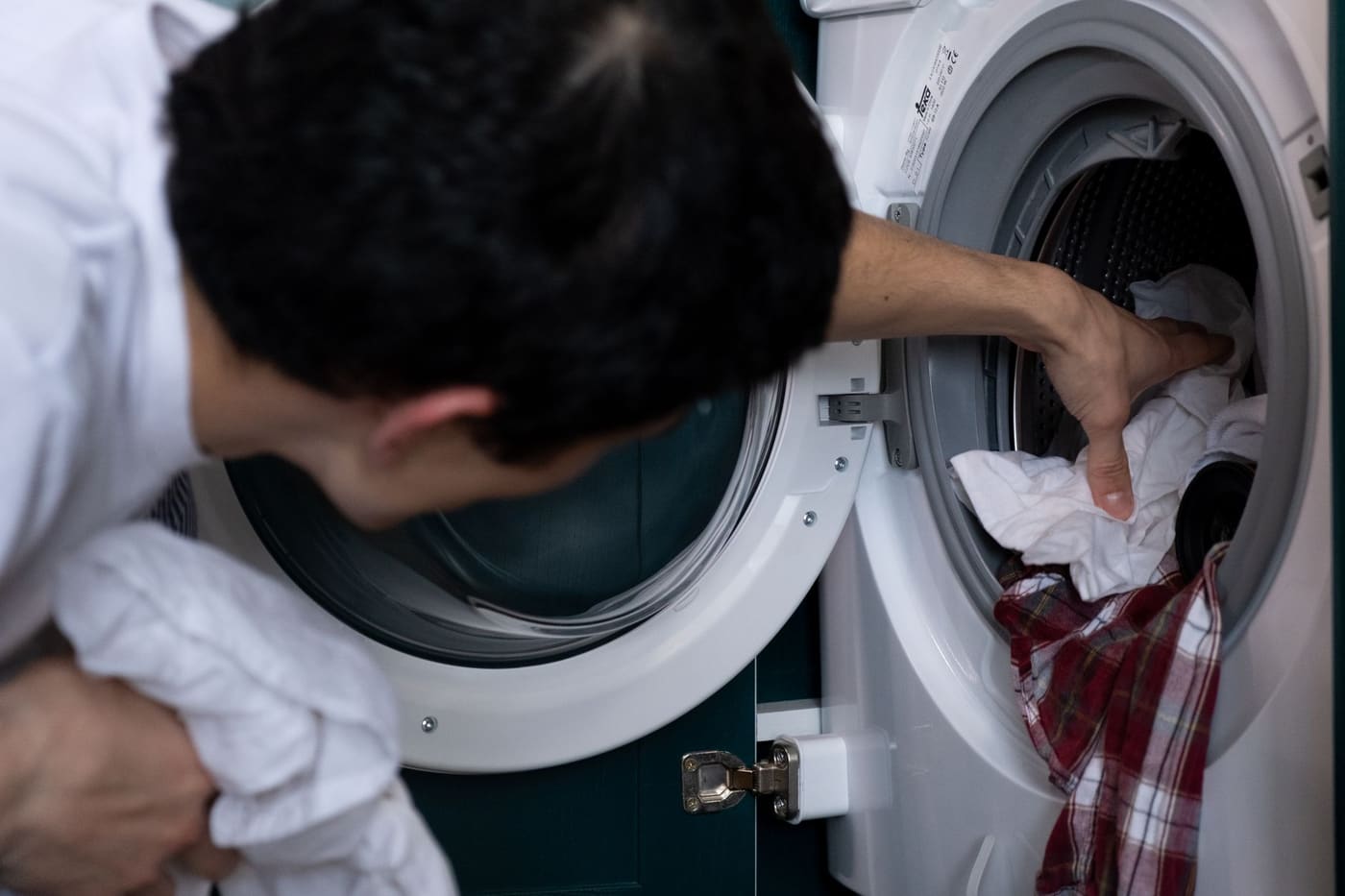
An overloaded drum cannot move clothes freely, so they rub harder against each other and rinse poorly. A drum that is nearly empty lets clothes slam around with nothing to cushion them. Aim for about two-thirds full, with room for clothes to move.
Choose a cycle that matches the fabric
Use the normal or cotton cycle for sturdy items like towels and jeans. Use the permanent press, gentle, or delicate cycle for synthetics, knits, and items with embellishments. These cycles use slower agitation and spin, which means less friction and less twisting. Use a lower spin speed for delicate items, because the high-speed spin stretches wet fibers.
Sort by weight and fabric, not just color
A load of heavy jeans with thin T-shirts means the T-shirts get beaten up. Washing similar weights together protects the lighter fabrics. Keep these separate when you can:
- Towels and heavy cottons
- Jeans and other denim
- Lightweight shirts and everyday basics
- Delicates and anything with lace, beading, or special finishes
- Workout clothes and synthetics
Sorting by color still matters. New dark items can bleed dye for the first several washes, so wash them with similar colors.
Protect clothes from abrasion
Small habits stop damage before it starts.
- Turn garments inside out. This protects the visible surface of dark T-shirts, graphic prints, and jeans from surface scuffing and fading.
- Zip zippers and fasten hooks. An open zipper catches and snags other garments, and open bra hooks tear delicate fabric.
- Use mesh laundry bags. A mesh bag costs a few dollars and protects bras, tights, lace, and anything with straps or ties. Wash bras in a bag or by hand.
- Empty pockets. Pens, tissues, and coins cause stains and tears.
- Button shirts partway. This keeps collars and plackets from twisting.
- Skip washing with rough items. Velcro, thick zippers, and heavy denim chew up lighter fabrics. Fasten Velcro tabs or keep those items out of the load.
Choose detergent and extras carefully
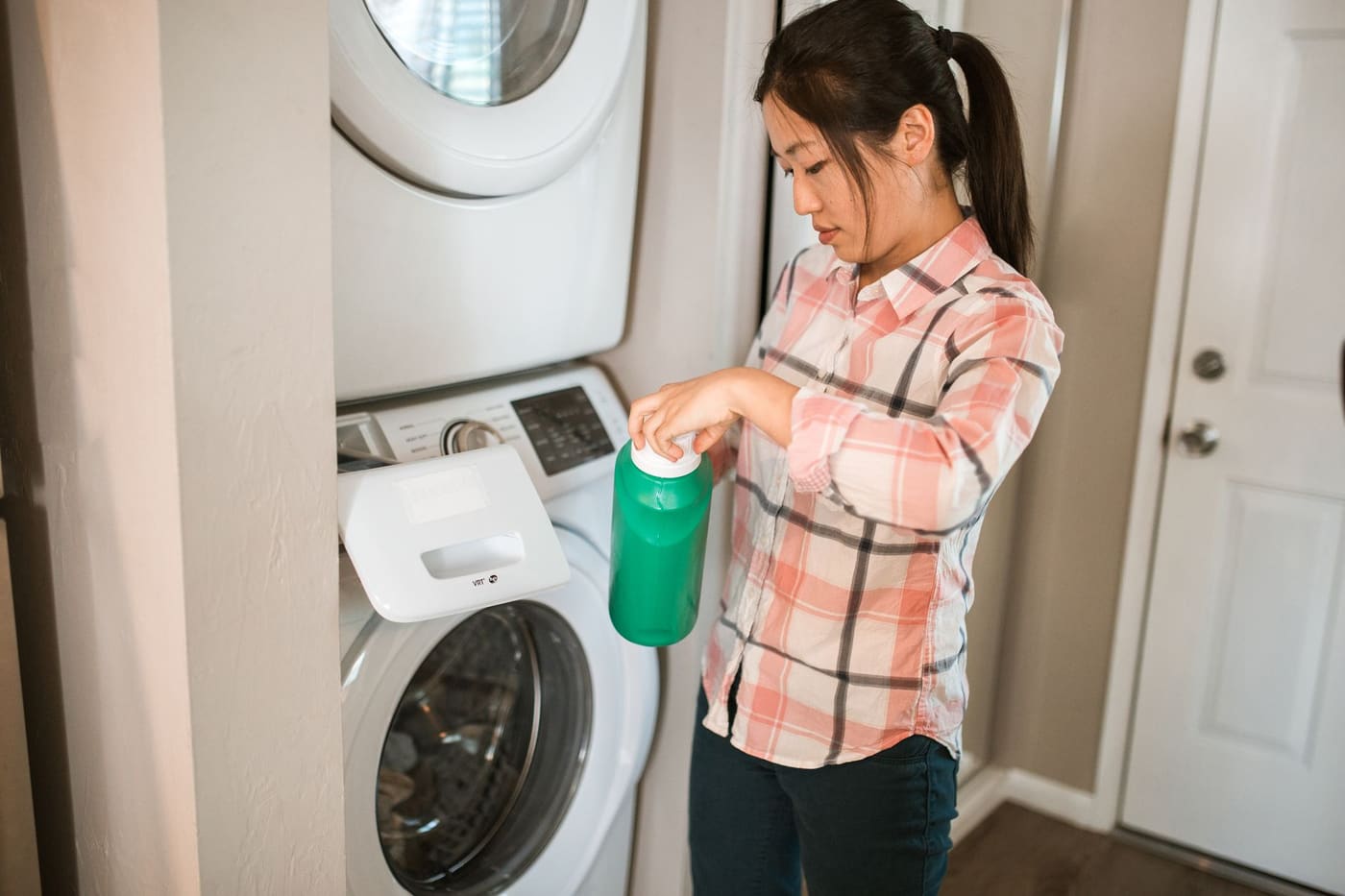
Use the amount of detergent on the cap, and less for small or lightly soiled loads. Too much leaves residue that stiffens fabric and dulls colors. Too little leaves body oils behind. Liquid detergent for the washer is usually fine, and a detergent made for delicates is a good idea for wool and silk.
A few more points on products:
- Chlorine bleach weakens fibers with repeated use and is not for wool, silk, or spandex. Oxygen bleach is gentler for whites and colors, though it still needs label checks.
- Fabric softener can coat fibers and reduce the absorbency of towels and the wicking of athletic clothes. Skip it on those items. Some people add a little white vinegar to the rinse as a substitute, but check your washer manual first, and never combine vinegar with bleach.
- Stain pre-treatment is better than washing a stained item repeatedly. See what to do first when you get a clothes stain for the first steps, or the stain first response checklist.
Never mix bleach with ammonia or acidic cleaners. The CDC warns that these combinations release toxic gases, so keep the room ventilated when you use any bleach.
Dry gently
The dryer causes a large share of the wear. High heat shrinks cotton, damages elastic, and bakes in wrinkles. Choose low or medium heat for everyday items, and remove clothes while they are still very slightly damp, since over-drying makes fibers brittle and static-prone.
For items that should not go in the dryer at all, see what clothes you should never put in the dryer. If you are unsure which items to hang, when to air dry clothes instead of using the dryer covers how to decide. A folding drying rack is the only piece of equipment worth buying for this.
A simple routine
Put it together in a short routine you can run on autopilot.
- Wear it again if it is not dirty. Hang to air out.
- Pre-treat stains right away, and spot-clean small marks.
- Sort by weight and fabric type, not just by color.
- Close zippers and hooks, turn dark and printed items inside out, and bag delicates.
- Use cold or warm water, the right cycle, and the cap-line amount of detergent.
- Fill the drum about two-thirds.
- Dry on low or medium, or hang. Remove while barely damp.
If your clothes already seem to be wearing out unusually fast, the article on why clothes wear out faster than they should helps you find the likely cause.
You do not have to follow every rule every time. Start with the changes that matter most for the clothes you care about: cooler water, fewer washes, and less dryer heat. The care label symbol guide helps decode the label before you pick a cycle.
Where this comes from
This guide is based on the U.S. Department of Energy’s laundry guidance (water heating and cold-water washing), the CDC’s guidance on washing laundry for sick household members and its warnings about mixing bleach with ammonia or acids, the American Cleaning Institute’s advice on how often to wash towels, and common textile care-label conventions. Wash-frequency figures are general rules of thumb and your care labels come first. Prices and energy costs change, so check current figures locally.